A sensor may be one of the smallest components in an automation system, but it plays a critical role: it provides the information the system relies on to make decisions.
Is the product in the right position? Has it reached the end of the conveyor? Is there an unwanted part or object remaining in a fixture or on the production line? What is the distance? What is the temperature? Is the pressure within the required range?
When the wrong sensor is selected for an application, the consequences can include inaccurate readings, machine downtime, rejected products, recurring faults, and even disruptions to the entire production process.
That is why choosing a sensor is not simply a matter of asking, “Which sensor fits?” It requires a thorough understanding of the application, the operating environment, and the system requirements.
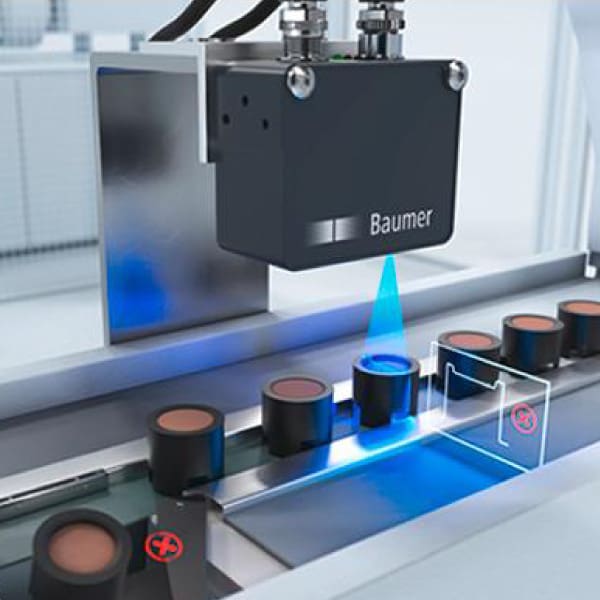
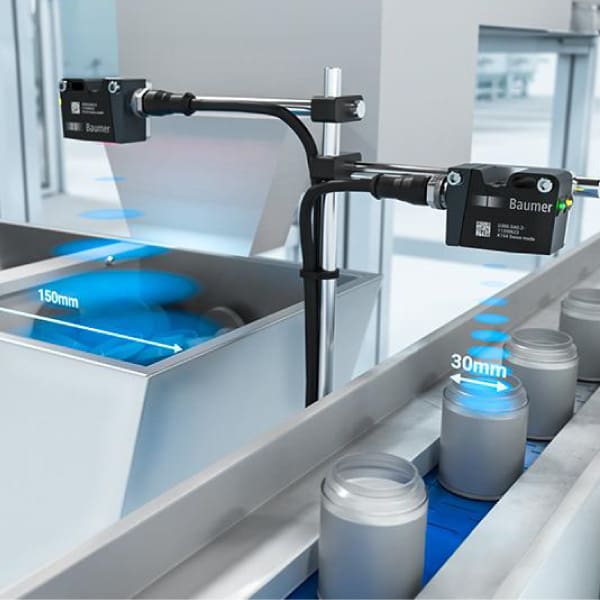
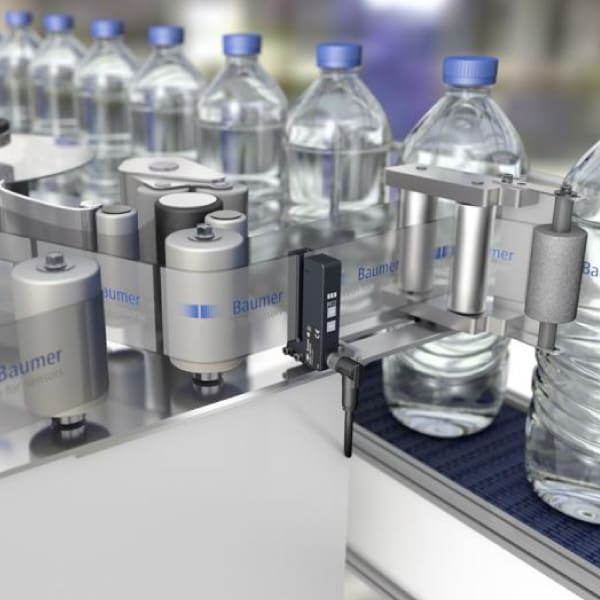
In this article, we look at seven of the most common mistakes made when selecting sensors—and how to avoid them.
1. Choosing a Sensor Based on Price Rather Than the Application
One of the most common mistakes is selecting a sensor based solely on its price or basic specifications. Two sensors may appear to perform the same function, yet be designed for completely different operating conditions.
The cheapest sensor is not necessarily the most cost-effective choice—especially if it leads to frequent faults, unplanned downtime, or repeated replacements.
The right approach is to evaluate the total requirements of the application and select a sensor that delivers the reliability and performance needed over time.
2. Ignoring Environmental Conditions
A sensor that performs perfectly in a laboratory environment may not perform the same way on the production floor. Dust, water, oil, humidity, vibration, high or low temperatures, and exposure to various substances can all affect sensor performance.
That is why it is important to consider not only the sensor’s specifications, but also the actual environment in which it will be installed.
Questions to consider before selecting a sensor:
- Is the machine regularly washed down?
- Is there dust, debris, or metal shavings in the area?
- Will the sensor be exposed to oil?
- Is it installed in a high-temperature or low-temperature environment?
- Are there significant vibrations?
The answers to these questions can directly affect the type of sensor required, the necessary IP protection rating, and the materials the sensor should be made from.
3. Choosing a Detection Range That Does Not Match the Application
Detection range is one of the most important parameters when selecting a sensor, but it is not always chosen correctly. A sensor installed too close to the target, too far away from it, or in an application where the detection distance changes may produce unstable or inconsistent results.
In applications where the position of the product is not fixed, it is important to allow for an appropriate safety margin rather than selecting a sensor that operates at the very edge of its specified range.
For example, if the distance between the sensor and the target changes during the process, make sure the sensor’s effective operating range covers the entire range of movement—not just the ideal measurement point.
4. Overlooking the Material and Characteristics of the Object Being Detected
Not every object is “seen” by a sensor in the same way. Color, material, size, shape, transparency, reflectivity, and even the surface characteristics of a product can all affect detection performance.
For example, detecting a metal surface is different from detecting plastic, while a transparent object may present completely different challenges than an opaque one.
Before selecting a sensor, it is important to define exactly what the sensor needs to detect, rather than simply describing the application as “a part moving along a conveyor.”
5. Ignoring Production Line Speed
A sensor that performs reliably at low speeds will not necessarily deliver the same level of performance on a high-speed production line.
When products move quickly, the sensor has less time to detect the object and transmit a signal to the control system. It is therefore essential to consider process speed, detection frequency, and the required response time.
In particularly fast applications, choosing the right sensor and switching characteristics can make the critical difference between reliable detection and repeated missed detections.
6. Installing the Sensor in the Wrong Location
Even the most suitable sensor will not perform optimally if it is installed in the wrong location.
Sensor placement should take into account the direction of product movement, detection distance, vibration, environmental interference, accessibility for maintenance, and the possibility of other products or components entering the sensing field.
Sometimes, the problem is not the sensor itself, but the angle, height, or position at which it has been installed. When dealing with unstable detection, it is therefore important not to rush into replacing the sensor before checking the installation and the actual application conditions.
7. Failing to Consider Long-Term Maintenance and Future Requirements
Selecting a sensor is not just a decision made during the design stage. It is also important to consider maintenance throughout the lifetime of the machine.
Ask yourself:
- Is the sensor easy to access?
- Can it be cleaned without shutting down the production line?
- Are identical or compatible replacement sensors readily available?
- Is the connection and replacement process simple?
- Can a fault be identified and diagnosed quickly?
In facilities with dozens or even hundreds of sensors, standardizing sensor models and connection types can significantly simplify maintenance and reduce downtime when a failure occurs.
So, How Do You Choose the Right Sensor?
Choosing the right sensor does not start with a catalog or a comparison of product models. It starts with a thorough understanding of the application itself.
The more accurately you define the requirements in advance—what needs to be detected, the operating conditions, distance, speed, accuracy requirements, and how the sensor will integrate into the system over time—the easier it becomes to select a reliable, efficient, and precise solution.
Considering all these requirements during the planning stage can help reduce mistakes, prevent unnecessary failures, and ensure that the most suitable sensing technology and sensor are selected for the application.
The Right Sensor Starts with the Right Application Definition
In industrial automation, there is no single sensor that is suitable for every application. The right choice depends on the combination of the target object, detection distance, process speed, environmental conditions, and overall system requirements.
A well-defined application at the planning stage can help prevent future issues, improve process reliability, and reduce costs associated with downtime, replacements, and product rejects.
At Yeruham Automation, we provide a wide range of industrial sensing solutions and help our customers select the right sensor technology for their specific application and real-world operating conditions.
Not Sure Which Sensor Is Right for Your Application?
Send us the details of your process, operating environment, and detection requirements, and our team will help you identify the most suitable sensing solution.