For many years, when factory equipment began to age, the conventional industry approach was simple (and expensive): replace the entire system. In recent years, however, more and more plant managers are realizing that you don’t always need to invest millions in a brand-new production line from scratch to enjoy advanced technology, higher throughput, and improved reliability. This is exactly where one of the fastest-growing and most crucial fields in industrial automation comes into play: Retrofitting.
At its core, retrofitting is the process of upgrading existing systems by integrating new technologies into legacy machinery. Instead of dismantling an entire line, only key components are upgraded—such as controllers, drive systems, sensors, servo motors, human-machine interfaces (HMIs), safety systems, and even robots and cobots. The result? Giving old machinery a “second life” while maximizing existing assets.
Take Israel as an example, where many factories rely on equipment and infrastructure that are decades old; this approach is highly relevant. The local industry faces a complex challenge: on one hand, there is a pressing need to streamline operations, increase throughput, and remain competitive in a global market. On the other hand, no one has an unlimited budget to purchase new production lines every few years. In this reality, retrofitting becomes the ideal solution for various manufacturing facilities.
Why Upgrade an Existing Machine in the First Place?
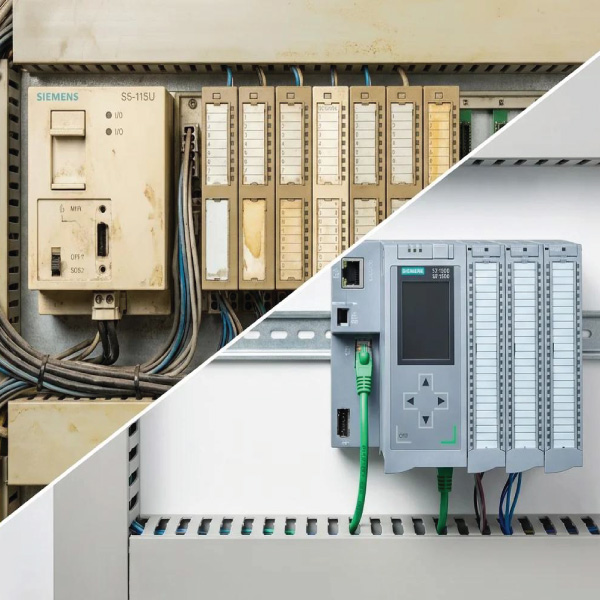
In quite a few factories, you will find legacy machines built with phenomenal mechanical engineering that are capable of operating for many years to come. The problem is almost never the chassis or the mechanical structure, but rather the technology surrounding it. Often, it comes down to obsolete controllers that are no longer supported, severe spare part shortages, inefficient drive systems, recurring downtime, or a basic inability to connect to the plant’s modern network.
In such scenarios, a complete machine replacement is simply a poor business decision. Beyond the staggering costs of new equipment, replacing an entire production line carries severe “side effects”: prolonged production shutdowns, expensive infrastructure adjustments, extensive employee retraining, disruption to familiar workflows, and complex engineering risks. Retrofitting, by contrast, takes what already works perfectly and selectively upgrades only what needs to adapt to the modern era.
What Does the Retrofit Process Actually Involve?
The process can vary significantly based on operational needs—ranging from a single controller swap to a comprehensive overhaul of the machine’s entire automation suite:
- Control System Upgrades (PLC): Migrating to modern controllers solves spare parts availability, improves response times, enables rapid fault diagnostics, and allows seamless integration with Industrial IoT (IIoT) management systems.
- Drive System Replacement: Outdated motors are replaced with energy-efficient alternatives or servo motors, paired with Variable Frequency Drives (VFDs). This grants the machine high precision, smoother motion, and substantial energy savings.
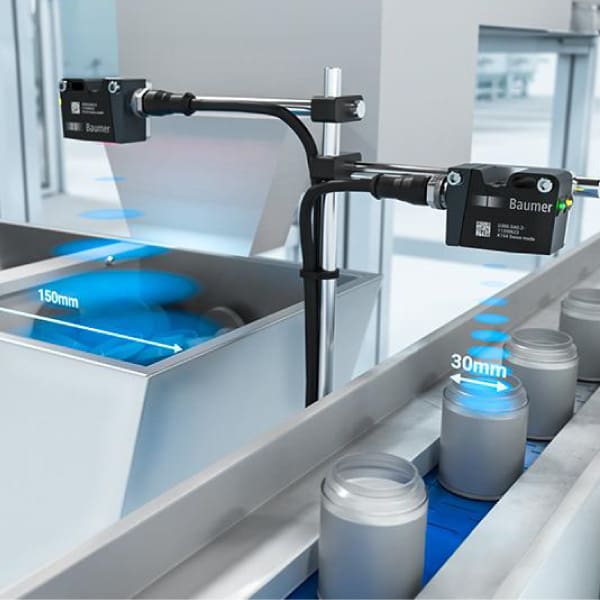
- Smart Sensors (IoT): Implementing modern sensors enables real-time data collection on temperature, vibration, pressure, and energy consumption. This data is critical for monitoring throughput and executing Predictive Maintenance—meaning, fixing the issue before it shuts down the line.
The Hot Trend: Integrating Robots and Cobots into Legacy Systems
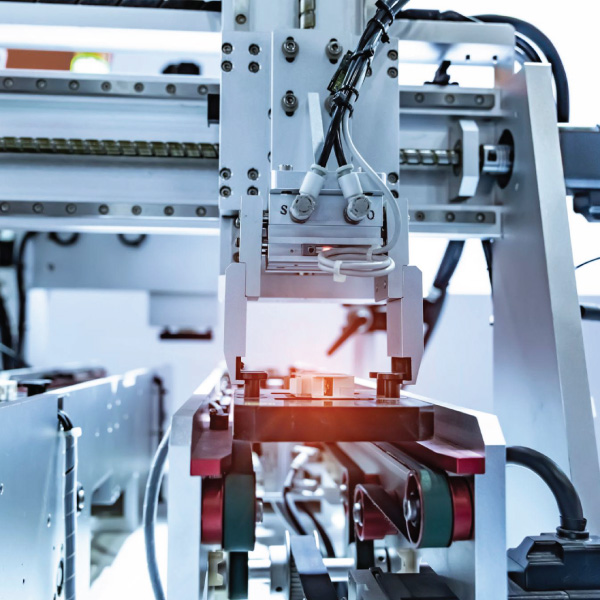
One of the most common misconceptions is that robotics requires building a completely new production line from scratch. In practice, robotic arms can be integrated seamlessly into legacy systems. This includes robots for loading and unloading, collaborative robots (cobots) for packaging, pick-and-place systems, or vision-guided systems (Computer Vision).
The major advantage here is scalability. Automation can be introduced phase by phase without shutting down the entire facility. Cobots, for example, are uniquely suited for these tasks: they take up very little space, are relatively easy to deploy, and can work safely alongside human operators without the need for bulky safety fencing.
Safety and Throughput: Not Just Cost-Savings, but Performance Optimization
Another critical aspect is safety. Many older machines fail to meet modern regulatory standards. A retrofit project allows factories to integrate light curtains, laser scanners, dedicated Safety PLCs, and advanced emergency stop systems into vintage machinery. Beyond regulatory compliance, this primarily protects human lives and mitigates legal and operational risks.
Ultimately, these upgrades translate directly to the factory’s bottom line. A targeted upgrade can shorten cycle times, reduce failures, enhance product quality, and minimize waste. In certain facilities, we have witnessed throughput increases of dozens of percent—all without altering the heavy machinery or the core mechanical frame.
An Engineering Partner, Not Just a Component Supplier
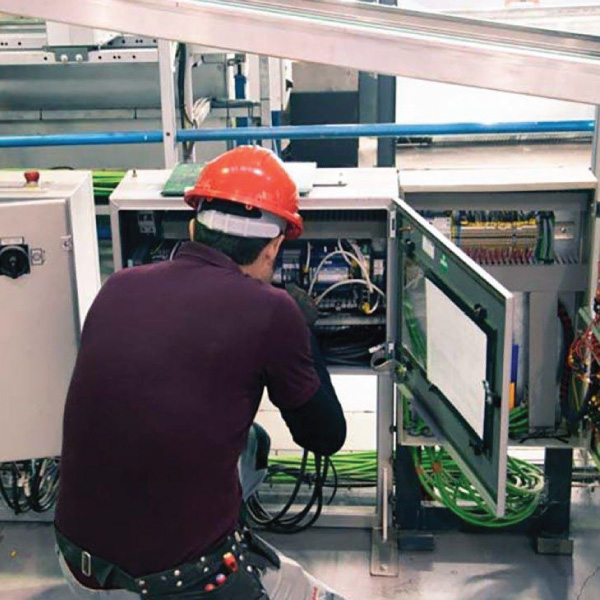
A successful retrofit project is not merely a matter of purchasing parts from a catalog. It is a full-scale engineering event that requires a deep understanding of the original machine, a bottleneck analysis, and precise integration planning between the old and the new.
The project’s success hinges on your technology partner’s ability to see the big picture: understanding how the machine operates today, identifying where it underperforms, and executing the upgrade with minimal production downtime.
Looking Ahead: The Future is Already Here
As the manufacturing sector accelerates toward the Industry 4.0 revolution, the importance of upgrading existing systems will only grow. In the near future, we will see an increasing number of projects incorporating Artificial Intelligence, advanced analytics, Digital Twin systems, and simulations—even on machines that have been on the factory floor for twenty years.
Retrofitting has long ceased to be a “temporary fix” or a budget compromise. For modern manufacturing, it represents the smartest, fastest, and most cost-effective way to achieve a technological leap, ensuring your facility doesn’t just keep up with the pace of the industry—but actively leads it.