In industrial manufacturing, there is no single automation solution that fits every application. The choice between a conveyor system, a robot, or a pneumatic solution should be based on the actual characteristics of the production process: production rate, material type, environmental conditions, and the need for future flexibility.
The right choice creates a stable, efficient, and profitable production line. An inaccurate choice, however, may lead to bottlenecks, failures, and unnecessary costs.


Key Criteria for Choosing the Right Automation
Production Rate – One of the most influential factors:
- A production line with continuous flow and a constant rate will benefit from a conveyor-based solution.
- A line with complex or changing operations will often benefit from a robotic system.
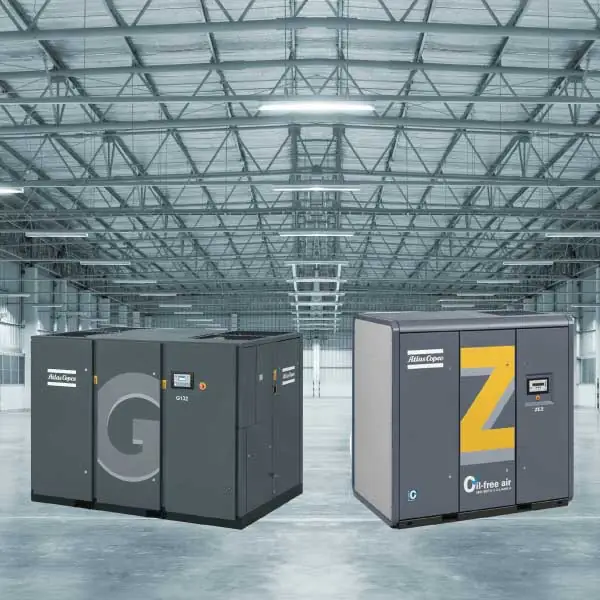
- Processes involving short, repetitive, and high-speed movements are especially suitable for pneumatic solutions.
Material Type – There are significant differences between handling cardboard, metal, plastic, or rubber:
- Soft, hot, or sensitive materials require gentle handling and precise engineering.
- Weight, friction, and stability influence the choice of motion, transport, and gripping methods.
Temperature and Working Environment – Production lines operating in high temperatures, dusty environments, wet conditions, or clean rooms require the correct selection of materials, sealing methods, and compliance with relevant standards.
Future Flexibility – If changes in product design, dimensions, or production rate are expected, the system must allow for adjustments rather than becoming a “locked” production line with limited adaptability.
When to Choose a Conveyor, Robot, or Pneumatic Solution — or Combine Them
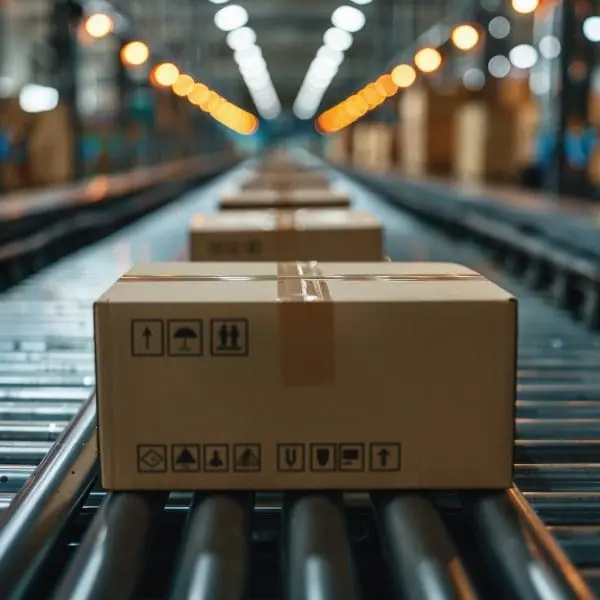
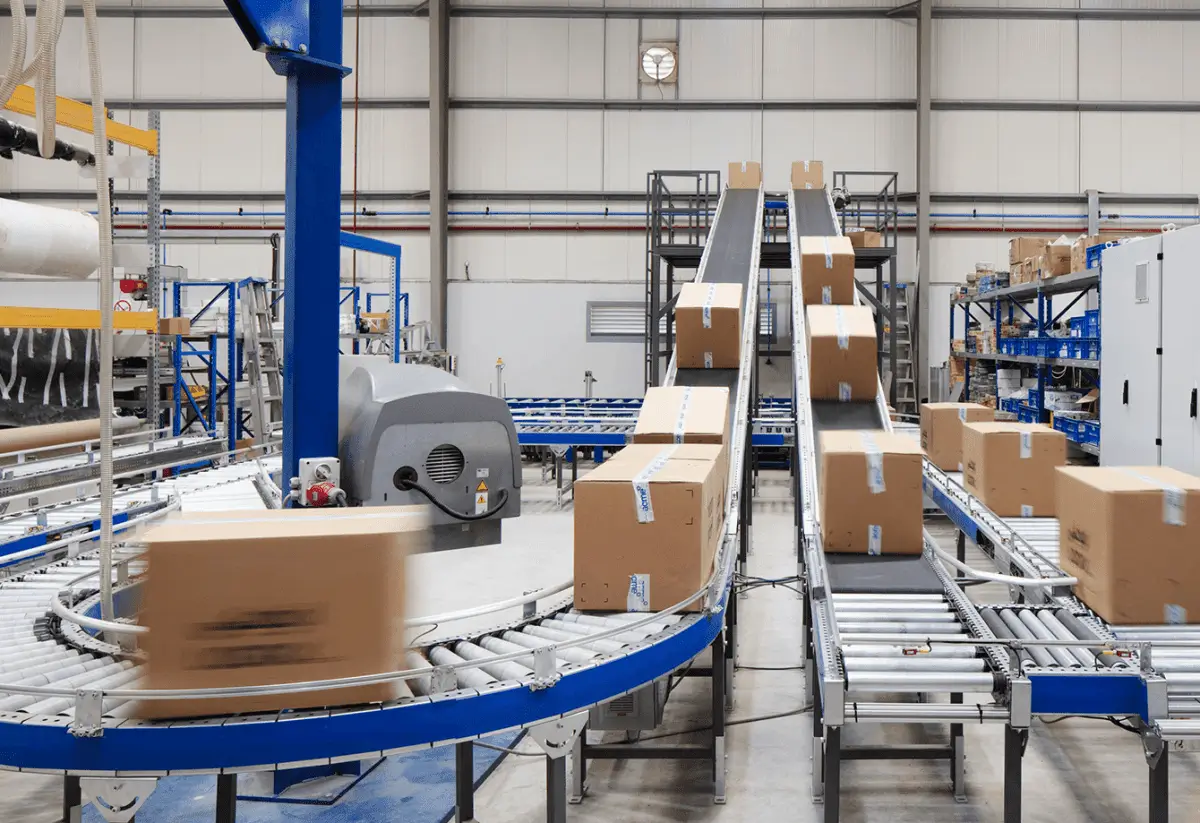
Conveyors are particularly suitable for production lines with continuous flow and fixed transfer points.
For example, in a rubber profile manufacturing plant, the product exits the extrusion process hot and must be cooled and transported over dozens of meters. A dedicated conveyor made from heat-resistant materials and operating at a speed synchronized with the production rate enables continuous flow without manual handling, preserves product quality, and reduces malfunctions.
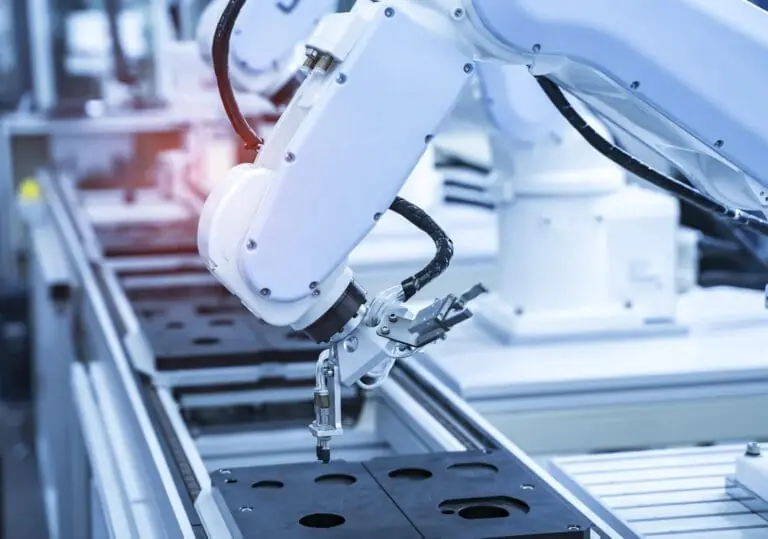
Industrial robots are ideal when flexibility, precision, and complex operations are required.
For example, in a packaging line with varying products (different sizes or packaging configurations), a Pick & Place robot allows product changeover through software adjustments alone. The same robot can sort, package, and palletize products without significant mechanical modifications to the production line.
It is important to remember that a robot is only one component of a larger system. Without proper feeding, unloading, safety, and system integration, its full potential cannot be realized.
Pneumatic systems excel at simple, fast, and repetitive operations.
For example, in a small component assembly line, pneumatic cylinders used for pushing, positioning, or clamping parts can achieve very high cycle rates at relatively low cost, with proven reliability over many years. In many cases, pneumatics are not a standalone solution but rather a complementary component alongside conveyors or robots.
Common Mistakes When Selecting Automation
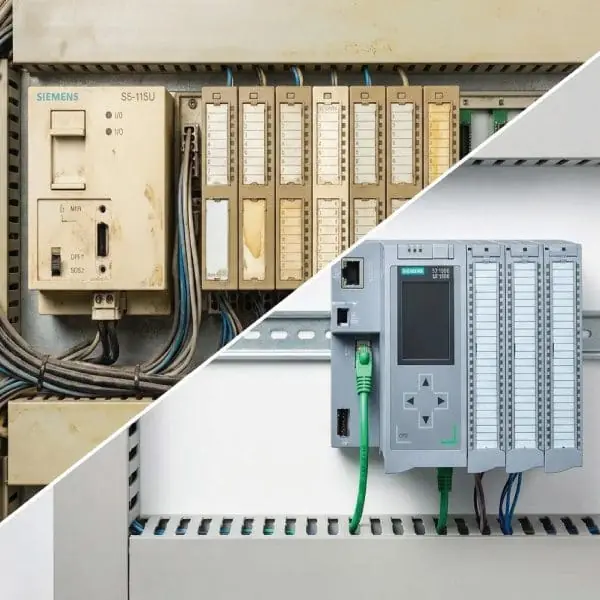
Common mistakes include choosing a solution based solely on initial price, without considering operating costs, maintenance, and long-term impact on the production line. Another frequent error is copying a solution from one production line to another, assuming that what worked in one case will work in another, without understanding differences in process, materials, or production rate.
Other issues include ignoring maintenance requirements and spare parts availability, which can lead to costly downtime, selecting an off-the-shelf solution that is not truly suited to the product, environment, or production requirements, or designing a production line without considering future capacity growth, product changes, or the need for operational flexibility.
While an off-the-shelf solution may appear faster and cheaper in the short term, it often leads to compromises in throughput, product quality, and long-term reliability.
In contrast, a custom-engineered solution, designed according to the real production process and its unique characteristics, integrates smoothly into existing production lines, allows future flexibility and scalability, and ultimately reduces operational costs, failures, and downtime over time.
Conclusion
The real question is not whether to choose a conveyor, a robot, or pneumatics—but how to combine them intelligently according to the requirements of the production process.
The right choice begins with a deep understanding of the process and ends with a solution that performs reliably for many years.
At Automation Yeruham, the process always starts on the production floor—with the customer’s real needs—and only then is the appropriate technology selected.